








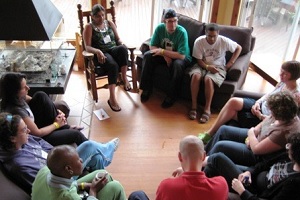



 Family Rehabilitaion
Rehabilitation Counselor
TweetCounselors help people with personal, family, educational, mental health, and career problems. Their duties vary based on their occupational specialty, which is determined by the setting in which they work and the population they serve. Rehabilitation counselors provide counseling, guidance and case management services to persons with disabilities to assist them in achieving their psychological, personal, social, and vocational goals. Rehabilitation counselors measure the impact of disability on goal attainment; evaluate vocational interests, aptitudes, and skills of clients; and inform about appropriate services to maximize career options and quality of life.
Rehabilitation counselors help people cope with the personal, social, and vocational side effects of disabilities. They counsel people with disabilities resulting from birth defects, illness or disease, accidents, or other causes. They measure the strengths and limitations of individuals, provide personal and vocational counseling, and arrange for medical care, vocational training, and job placement.
Rehabilitation counselors talk to both individuals with disabilities and their families, evaluate school and medical reports, and confer with physicians, psychologists, occupational therapists, and employers to determine the capabilities and skills of the individual. They prepare rehabilitation programs by conferring with clients; these programs often include training to help clients develop job skills. Rehabilitation counselors also work toward increasing the client’s capacity to live independently.
Rehabilitation counselors usually work a standard 40-hour week. Self-employed counselors and those working in mental health and community agencies, such as substance abuse and behavioral disorder counselors, frequently work evenings to counsel clients who work during the day. Both mental health counselors and marriage and family therapists also often work flexible hours to accommodate families in crisis or working couples who must have evening or weekend appointments.
Responsibilities of Rehabilitation Counsellors
Responsibilities for the rehabilitation counselor include:
- Evaluating an individual’s potential for independent living and employment and arranging for medical and psychological services and vocational assessment, training, and job placement
- Evaluating medical and psychological reports and conferring with physicians and psychologists about the types of work individuals can perform
- Working with employers to identify and/or modify job responsibilities to accommodate individuals with disabilities


Sometimes crying or laughing
are the only options left,
and laughing feels better right now.


Stay Connected with DG


Current Issue
 Self Help Leaflets Take the help of our self help leaflets or booklets. |
 The DG Magazine All about living with depression |
Rehabilitation
- Cardiac Rehabilitation
- Cognitive Rehabilitation
- Drug Rehabilitation
- Drug Rehabilitation Center
- Rehabilitation Programs
- Brain Injury Rehabilitation
- Drug Rehabilitation Facility
- Drug Rehabilitation for Teens
- Drug Rehabilitation Program
- Knee Rehabilitation
- Alcohol Rehabilitation Centers
- Rehabilitation Product
- Rehabilitation Services
- Rehabilitation Specialist
- Criminal Rehabilitation
- NovaCare Rehabilitation
- Occupational Rehabilitation
- Physical Rehabilitation
- Physical Rehabilitation Therapy
- Rehabilitation Center
- Rehabilitation Clinic
- Rehabilitation Counselor
- Alcohol Rehabilitation Program
- Alcohol Rehabilitation
- Stroke Rehabilitation
- Traumatic Brain Injury Rehabilitation
- Drug and Alcohol Rehabilitation
- Drug and Alcohol Rehabilitation Center
- Rehabilitation Equipment
- Rehabilitation Facility
- Rehabilitation Hospital
- Rehabilitation Medicine
- Rehabilitation Nursing
- Prisoner Rehabilitation
- Pulmonary Rehabilitation
- Rehabilitation Therapy
- Sports Rehabilitation
- Vocational Rehabilitation Services